Parent Guide
What Does "Donor-Conceived" Mean? A Guide for Families
A donor-conceived person was conceived using donated sperm, eggs, or an embryo. The term describes part of their conception story, not their whole identity. Donor conception and IVF are not the same: IVF may or may not involve donation.
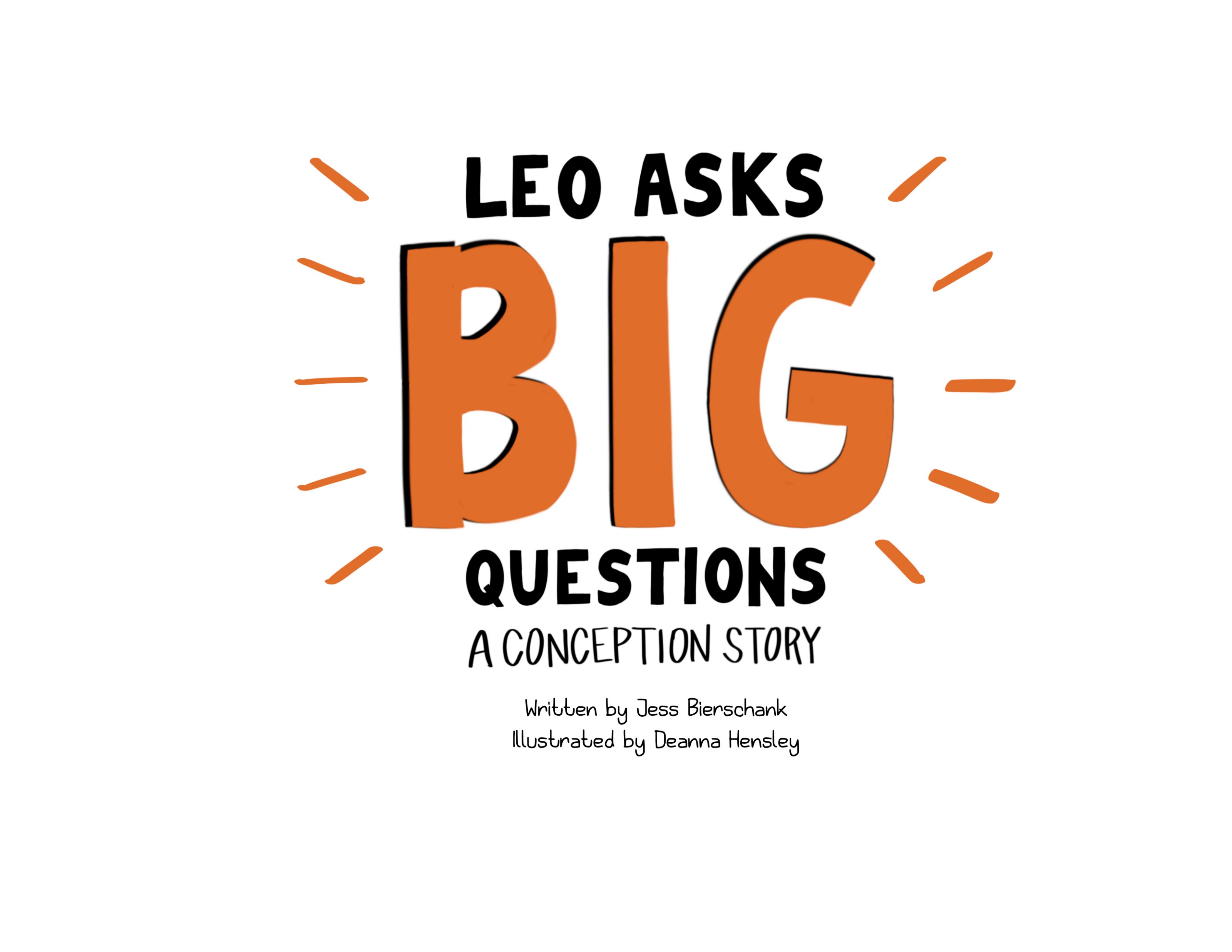
From Leo Asks Big Questions, the picture book by Jess Bierschank. General information and conversation ideas, not medical advice or individual counseling.
Families grow through donor conception for many reasons. Understanding the words can help children talk about their own origins or a friend's family with kindness and confidence. Genetic connections and the relationships that shape everyday family life can both matter, in different ways to different people.
How can you explain donor-conceived in simple words?
You might say: "A baby starts with an egg and a sperm. Some people need a donated egg, sperm, or embryo to have a baby. A donor is someone who provides that help." An embryo is an early stage of development after an egg is fertilized by sperm. Keep the first answer short and add details when your child asks.
A donor-conceived child belongs in their family just as much as any other child. Their genetic origins also form part of their story. Questions about those origins can sit alongside love for the people raising them.
Who are donor-conceived families?
Donor-conceived people are part of families with many different structures, parent genders, and paths to parenthood. Some have one parent, some have two or more, and some live in blended or extended families. Some kids have siblings conceived the same way, and some don't.
Leo, from Leo Asks Big Questions, has two moms and a dog named Rowy. His story shows kids that a family like his is happy, normal, and full of love.
Words that respect lived experience
Donor-conceived adults have asked for a few simple language habits: say "donor-conceived person" instead of "donor baby," and remember the donor helped the parent or parents grow their family. Use the names a child knows for the people raising them, whether that's Mom, Mama, Dad, a parent's name, or another family name.
Using respectful, honest words teaches kids something bigger: that every person's story deserves to be told truthfully and kindly.
Explaining it to kids who aren't donor-conceived
Your child will likely meet classmates and friends whose families look different from their own. Talking about donor conception helps them understand those friends with kindness instead of confusion.
Try something simple: "Some families need a little help to have a baby. A kind person called a donor helped. That's how your friend's family grew." Then let them ask questions.
Helping every child feel seen
When kids see families like theirs in books, they feel proud of who they are. When kids see families different from theirs, they learn empathy. Picture books do both.
Leo Asks Big Questions is written for the child, with parent tips throughout, and it's for every family that wants to raise curious, kind, accepting kids.
Sources and further reading
- HFEA: Donor conception and information about origins
The UK's fertility regulator explains sperm, egg, and embryo donation. Information-access rules on this site apply to UK treatment.
- r/askadcp: Lived experience
Read a range of donor-conceived people's personal perspectives while respecting that experiences differ.
Looking for words for a particular question? Try the donor conception conversation helper for AI-generated suggestions you can adapt.
Read Leo's story together
A 32-page hardcover picture book for ages 0–8, with a glossary and tips for parents.